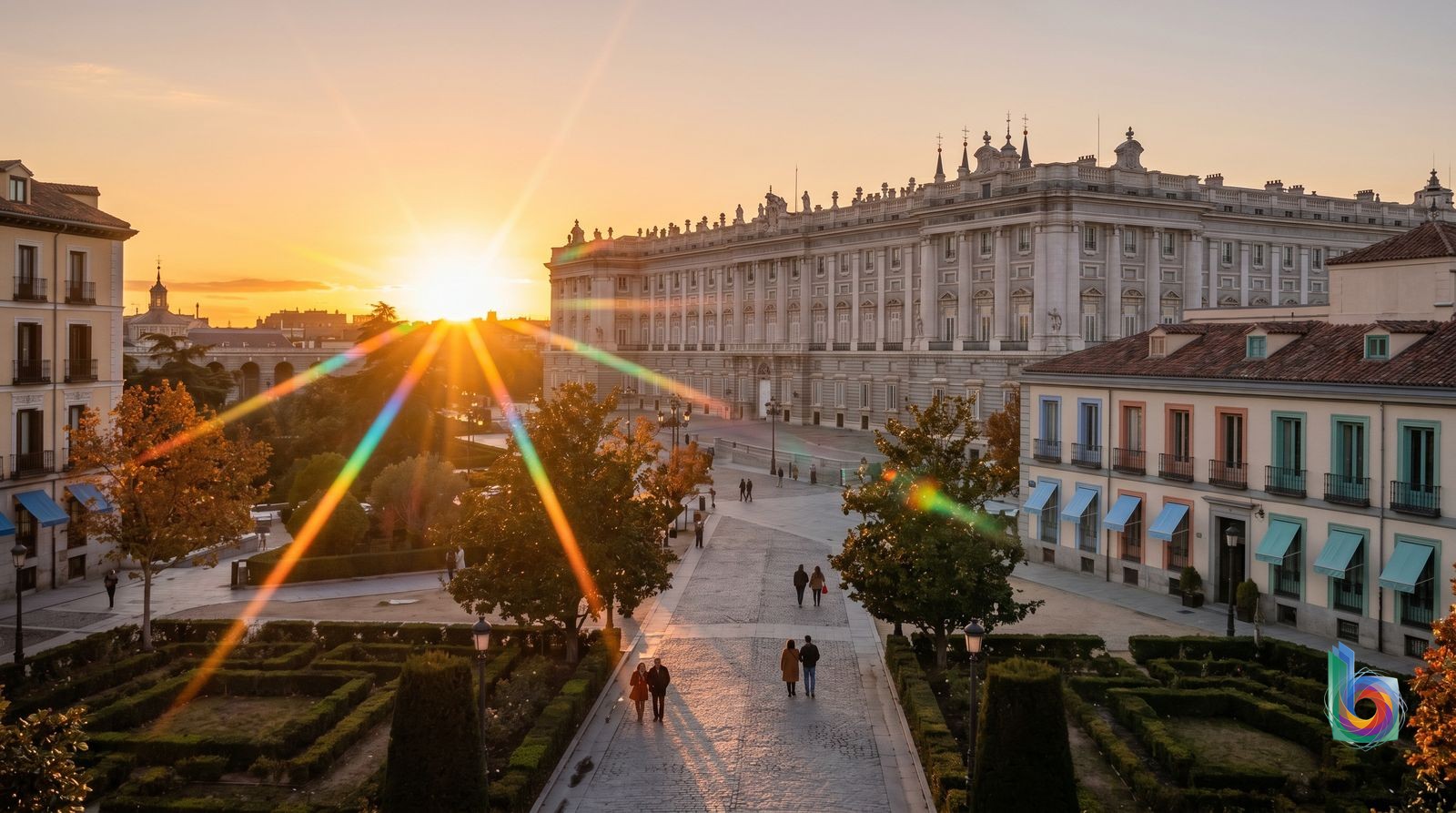
How many days do I need for a first trip to Madrid?
Give Madrid three full days; four if you want a day trip or a football match. In three days, choose two of the Prado, Reina Sofía, Thyssen and Royal Palace rather than trying to rush all of them, and leave time for Austrias, Retiro and evenings in neighbourhood bars.
Where should I stay for a first visit to Madrid?
Stay in Letras or around the Prado/Atocha for the best balance of museum access, walkability and a slightly calmer base; Chueca or Malasaña suit travelers prioritizing restaurants and nightlife. Austrias/Ópera is best for old-city atmosphere, while Sol is convenient but noisy, crowded and especially poor for a quiet stay at Christmas or New Year.
What should I book before arriving?
Reserve timed entries for the Prado, Royal Palace and Reina Sofía if they are non-negotiable, especially on weekends, holidays and a short trip. Book major Real Madrid or Atlético fixtures as soon as dates are firm, plus popular flamenco shows and convenient AVE day-trip trains to Toledo or Segovia.
What is the easiest way from Madrid airport to the centre?
For Sol, Gran Vía, Atocha or central hotels, take the 24-hour Exprés Aeropuerto via Cibeles; it costs about €5 and usually takes 30–40 minutes. From Terminal 4, Cercanías C1 is better for Atocha or Chamartín; use the fixed €33 taxi only when splitting it between three or four people or carrying substantial luggage.
When is the best time to visit Madrid?
April–June and September–October are the best first-visit windows: good daylight, manageable temperatures and streets, parks and terraces that are enjoyable on foot. July and August are intensely hot and demand a slow, museum-and-siesta-style schedule; winter is quieter and often sunny but cold after dark.
Should I stay near Atocha or Chamartín if I am arriving by train?
Atocha is a very good base for a first visit: the Prado, Retiro and Paseo del Prado are close, and Sol is an easy walk or short ride away. Do not choose Chamartín solely because your train arrives there—it is useful for northbound rail and Castellana, but not the historic centre.
Do I need a car in Madrid?
No. Central Madrid is best on foot, with Metro, Cercanías and occasional taxis for longer or late-night trips; driving brings restricted streets, traffic and expensive parking. Train travel is also usually easier for Toledo, Segovia, Alcalá de Henares and El Escorial.
Is Madrid manageable on foot, or should I rely on the Metro?
Walk the compact core—Sol, Plaza Mayor, Austrias, the Royal Palace, Letras, Chueca and Malasaña—but use Metro or Cercanías to avoid wasting time crossing town. Build each day around one heavyweight sight and its surrounding neighbourhood; the Prado-to-palace walk is longer than it looks, and summer midday heat is punishing.
Should I take a day trip from Madrid?
Only if you have four days or more, or are happy to trade a Madrid day for it. Choose one: Toledo for drama and history, Segovia for the aqueduct and old city, El Escorial for the royal-monastic complex, or Alcalá de Henares for an easy Cercanías outing; book fast-train times ahead for Toledo and Segovia.
What should I know about Madrid's late schedule and nightlife?
Plan for lunch around 14:00 and dinner after 21:00; an empty restaurant at 20:00 is not automatically a bad sign. Central areas are generally comfortable to walk at night when busy, but use a licensed taxi when you are tired, carrying bags or returning to a quieter edge-of-centre base.