
- Pace
- One base works only for one side of the island: Palermo for the west, Catania for Etna and the east, Ortigia/Syracuse for the southeast. Palermo and Catania are not day-trip distance—allow roughly three hours even on the main rail link, with works sometimes replacing trains by buses. For 7 nights, choose west or east/southeast; use 10–12 nights for two or three bases across the island, and two weeks for a proper cross-island trip, ideally with a car for rural legs.
- When to go
- Late April–June and September–mid-October are Sicily’s strongest all-round windows: warm enough for the sea, manageable for ruins and cities, and less frantic than peak summer. June and September are best for island-hopping and swimming; July through late August means serious heat, full ferries and inflated rooms, especially on the coast and islands. November–March is excellent-value city and food season, but weather is unsettled, swimming is unreliable and island schedules thin out.
- Daily budget
- Not specified in the supplied dossier.
Sicily is a large, unruly Mediterranean island rather than a neat Italian add-on: Greek temples, Arab-Norman Palermo, Etna, Baroque towns, fishing ports, beaches and island archipelagos are tied together by transport that can be slow and patchy. Come for a food culture that is unmistakably Italian but distinctly Sicilian—citrus, seafood, ricotta, pistachio, capers, raisins and sweet-sour flavors—and accept that the island rewards choosing a section rather than trying to collect every headline.
Known for
- Mount Etna
- Greek archaeology, especially the Valley of the Temples
- Palermo’s Arab-Norman mosaics, markets and street food
- Taormina and its ancient theatre
- Ortigia and the Baroque towns of the Val di Noto
- The Aeolian and Egadi islands
Where to go
 1
1Base · 1–3 nights
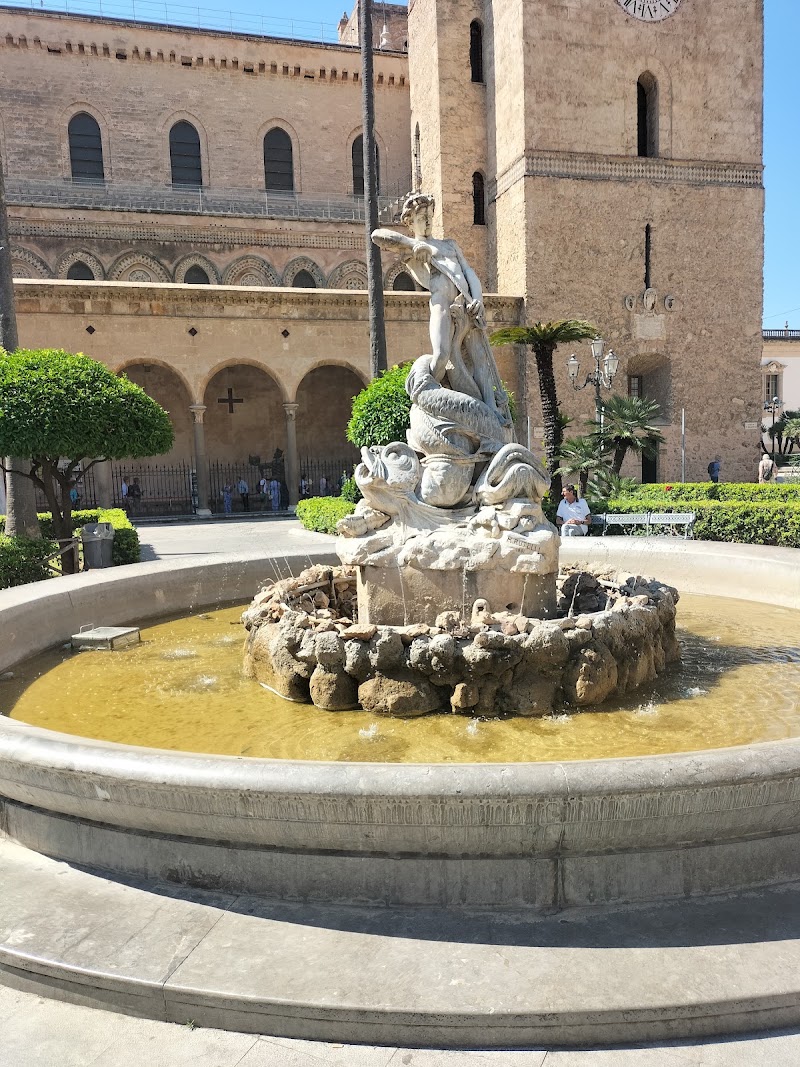
Palermo
Sicily’s essential big-city stop for Arab-Norman mosaics, chaotic markets and the island’s strongest street-food scene. Include Monreale for its cathedral; do not pick up a car until leaving town.
first-timersfoodiesarchitecture loverssolo travelers
Explore Palermo 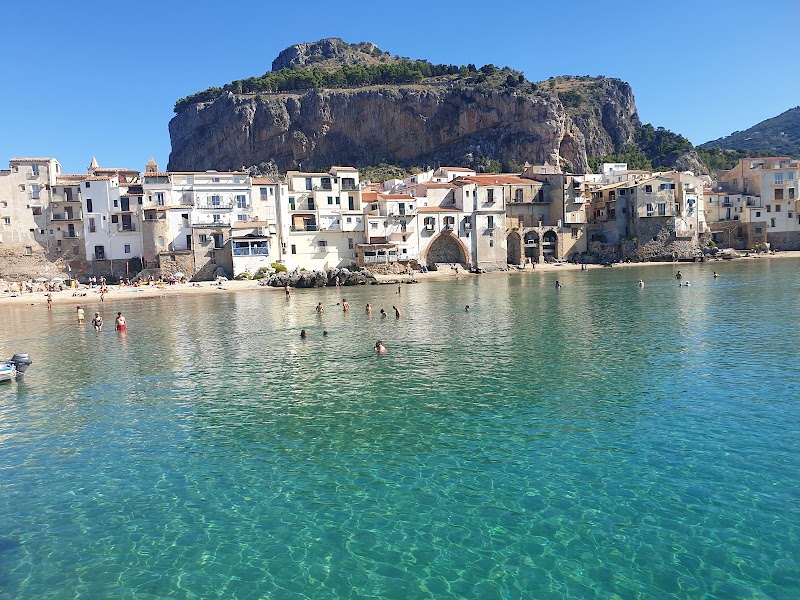 2
2Cefalù
Short stop · 1 night
A compact Norman beach town that works as an easy rail break from Palermo or an overnight between west and east. The cathedral, old lanes and beach are genuinely good; summer crowds and prices are the trade-off.
couplesfamiliesrail travelers
 3
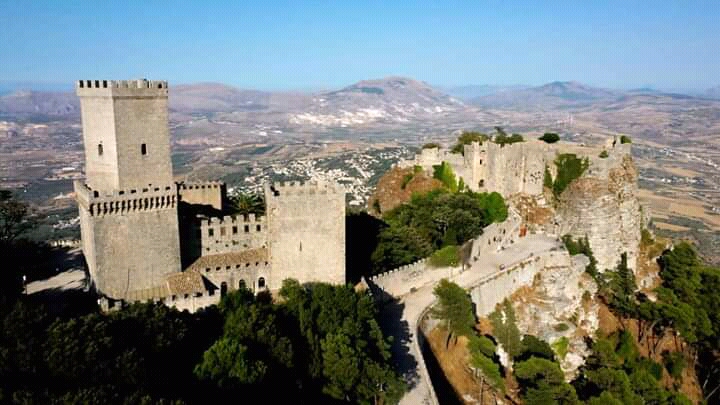
3Western Sicily
Base · 3 nights
Base around Trapani or Marsala for Segesta, Erice, salt pans, wine country and the Egadi Islands. This is Sicily’s most coherent driving territory, but public transport becomes limiting once you combine archaeological sites, beaches and wineries.
driversrepeat visitorswine lovers
 4
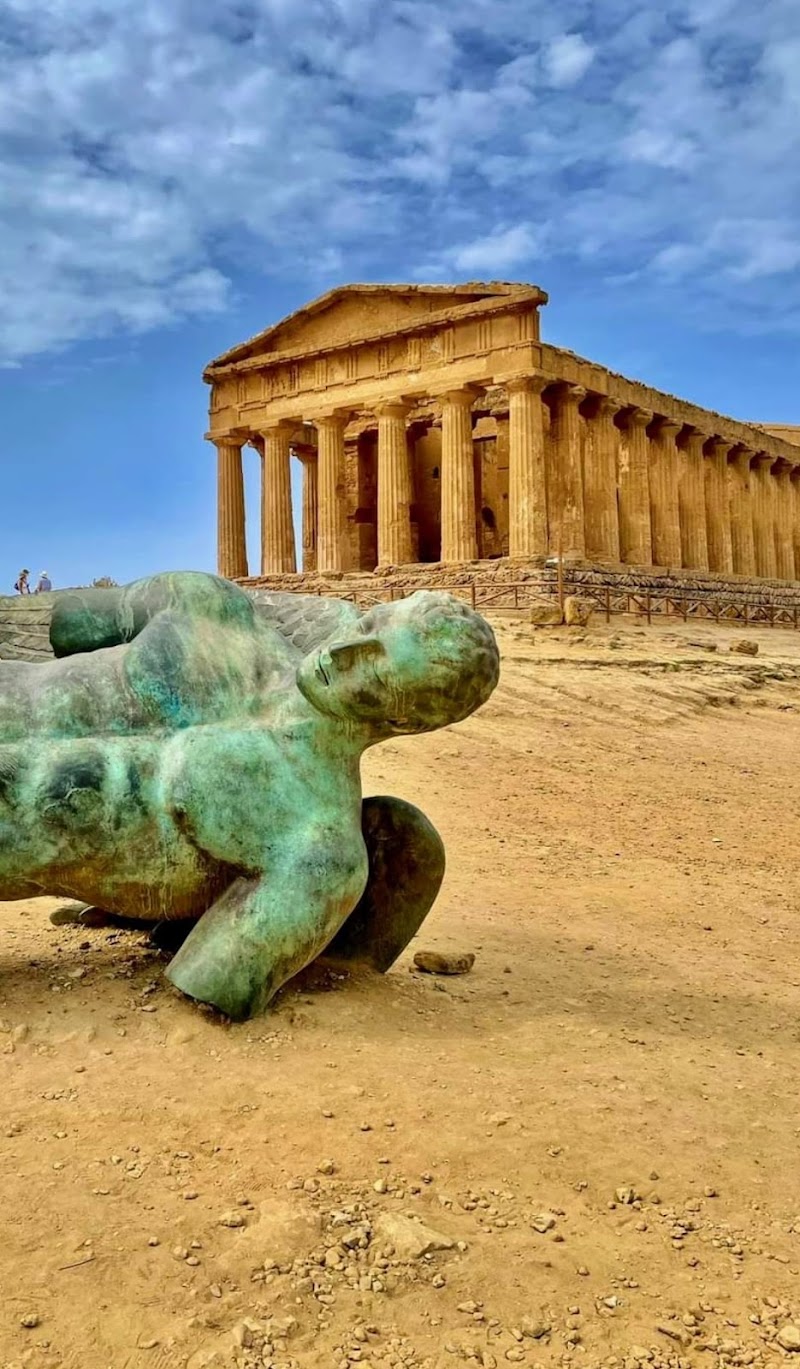
4Agrigento
Base · 1–2 nights
Come for the Valley of the Temples, one of the Mediterranean’s great Greek archaeological landscapes, best seen at opening or near sunset. Agrigento itself is functional rather than beautiful, so treat it as a focused stop rather than a lingering city break.
archaeology loversfirst-timershistory travelers
 5
5Catania
Base · 1–2 nights
A loud, black-lava Baroque city with a serious fish market, strong food and the best access to Mount Etna. It is a useful east-coast base if you prefer lived-in urban energy to Taormina’s polish.
foodiesEtna hikersshort-break travelers
 6
6Taormina
Base · 2 nights
The ancient theatre, Ionian Sea and Etna views justify the crowds and high prices. Go for scenery and a polished stay, not for an unfiltered version of Sicilian town life.
first-timershoneymoonersluxury travelers
 7
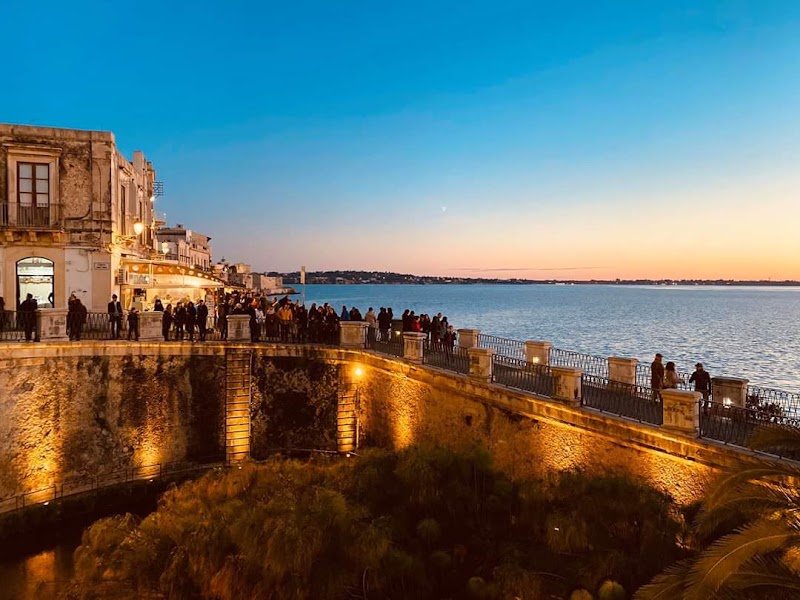
7Syracuse and Ortigia
Base · 2–3 nights
Ortigia is Sicily’s best small-city base: sea-facing lanes, good evening dining and easy access to Syracuse’s Greek and Roman ruins. Give it at least two or three nights, with Neapolis and Noto or Vendicari as separate days.
couplesindependent travelersfoodies
 8
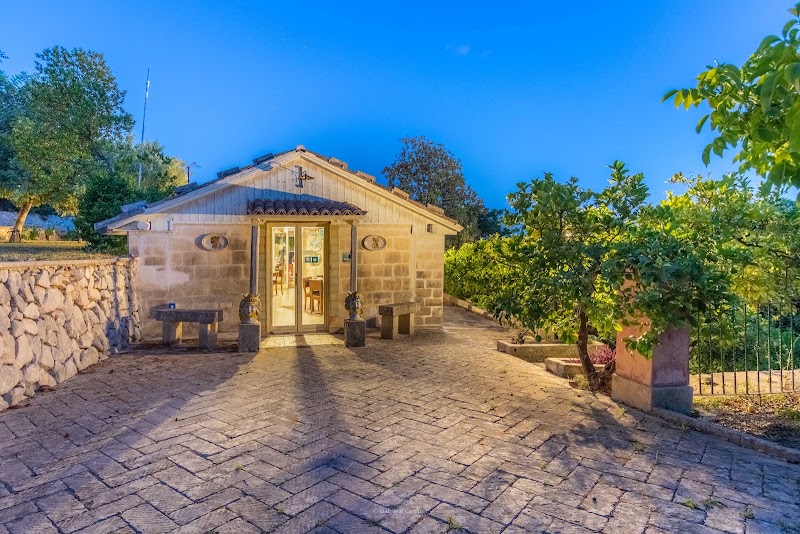
8Val di Noto
Use this southeast corner for Noto’s late-Baroque streets, Vendicari’s beaches and birdlife, and Marzamemi’s fishing-port atmosphere. A car turns it from awkward into easy; Noto is best early or after day-trippers leave.
road trippersphotographersbeach-and-culture couples
 9
9Ragusa, Modica and Scicli
Base · 2 nights
The deeper southeast is for ravines, stairways, limestone Baroque and Modica’s crumbly cold-worked chocolate. Base in Ragusa Ibla for atmosphere, then give Modica and quieter Scicli their own time rather than rushing all three from Catania.
foodiesarchitecture loversrepeat visitors
 10
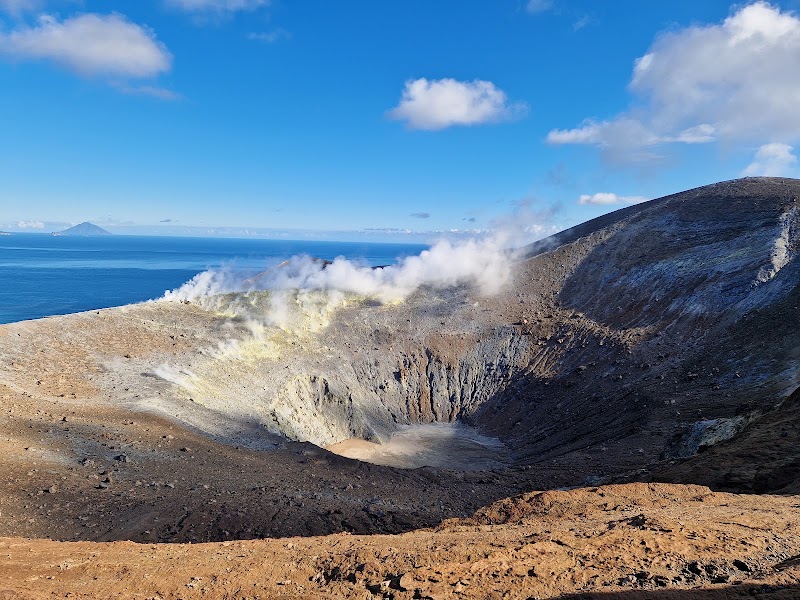
10Aeolian Islands
Base · 3 nights
A proper multi-night volcanic island escape reached via Milazzo: practical Lipari, green Salina, raw Vulcano and dramatic Stromboli each have distinct appeal. Allow at least three nights and book ferry legs and lodging early in summer.
swimmershikerscouples
Don't miss
1
Roman Villa of CasaleEnna
This is Sicily's exceptional Roman-period stop: the villa's enormous, remarkably intact mosaic cycle makes it much more than a ruin. Allow enough time to follow the raised walkways slowly, then combine it with nearby Aidone or Morgantina rather than treating it as a quick roadside stop.
2
Valley of the TemplesAgrigento
The Valley of the Temples is Sicily’s defining ancient-Greek landscape, with a sequence of monumental Doric temples that remains legible at a scale few Mediterranean sites match. Give it a full, unhurried visit and consider the evening opening if your schedule allows.
3
Mount EtnaCatania
Europe’s most active major volcano is a defining Sicilian experience, whether you take the cable car and guided high-altitude route or simply walk lower lava landscapes and visit Etna villages. Conditions and permitted elevations change with volcanic activity, so build flexibility into the day.
4
Teatro Antico di TaorminaMessina
Taormina’s Greek theatre earns its fame through the stage-set view of Etna and the Ionian coast as much as its ancient fabric. It is the essential paid sight in a town that can otherwise feel like a crowded promenade, so book it and visit efficiently.
5
OrtigiaSyracuse
Ortigia is Syracuse’s compact historic island: a place to explore on foot for its Greek, medieval and baroque layers, sea-edge promenades and excellent evening atmosphere. Pair it with the archaeological side of Syracuse if time permits, but do not rush the island into a one-hour pass-through.
6
Palatine ChapelPalermo
Inside Palermo’s Norman Palace, the Palatine Chapel is the clearest single expression of Sicily’s Arab-Norman cultural fusion, combining Byzantine mosaics, Islamic-style ceiling work and Norman patronage. It is a compact visit with outsized importance and should anchor any first Palermo day.
Getting your bearings
Numbers match the places above; small dots are the headline sights.
The mental map
Think in five useful zones: the west around Palermo, Trapani and the Egadi for Arab-Norman history, street food, wine and dramatic coast; south-central Sicily for Agrigento and archaeology; the east around Catania, Etna and Taormina; and the southeast around Ortigia, Noto, Ragusa and beach reserves. The Aeolian, Egadi, Pantelleria, Ustica and Pelagie islands are separate trips, not casual add-ons; ferry frequency changes sharply with the season.
When to go
Late April–June and September–mid-October are Sicily’s strongest all-round windows: warm enough for the sea, manageable for ruins and cities, and less frantic than peak summer. June and September are best for island-hopping and swimming; July through late August means serious heat, full ferries and inflated rooms, especially on the coast and islands. November–March is excellent-value city and food season, but weather is unsettled, swimming is unreliable and island schedules thin out.
Pacing a visit
One base works only for one side of the island: Palermo for the west, Catania for Etna and the east, Ortigia/Syracuse for the southeast. Palermo and Catania are not day-trip distance—allow roughly three hours even on the main rail link, with works sometimes replacing trains by buses. For 7 nights, choose west or east/southeast; use 10–12 nights for two or three bases across the island, and two weeks for a proper cross-island trip, ideally with a car for rural legs.
Book before you land
Taormina Ancient Theatre summer performances and major festival shows · Etna high-altitude excursions, especially Funivia dell’Etna Tour 3000, in summer and on clear-weather peak dates · Aeolian Island hydrofoils/ferries and accommodation for June–September, especially Ferragosto and weekends · Egadi Island hydrofoils and accommodation in peak summer, particularly Favignana · Palermo accommodation during Le Vie dei Tesori autumn festival weekends · Catania/Acireale accommodation if travelling for Acireale Carnival; Noto accommodation during the mid-May Infiorata weekend
Getting in
CTACatania–Fontanarossa Airport
The most useful gateway for Etna, Taormina, Catania, Syracuse/Ortigia and the southeast. It is the sensible arrival airport for an east-and-southeast trip; onward buses are often more useful than trains for the first and last leg.
Flights and transfers into CataniaPMOPalermo Falcone Borsellino Airport
Use this for Palermo, Monreale, Cefalù, Trapani, Agrigento and western Sicily. It is the right start for a west-focused itinerary or a cross-island trip beginning in Palermo.
Flights and transfers into PalermoTPSTrapani–Birgi Airport
A limited but useful low-cost-airline gateway for Trapani, Erice, Marsala and the Egadi Islands. Use it only if the flight schedule is genuinely convenient; Palermo has far better overall connectivity.
Flights and transfers into TrapaniMessina ferry port
The mainland overland entry: trains, coaches and cars cross from Villa San Giovanni in Calabria. It makes sense if you are already travelling through southern Italy, then continuing to Taormina, Catania or the Aeolians via Milazzo.
Flights and transfers into MessinaMilazzo ferry port
The practical sea gateway for the Aeolian Islands. Reach it from Catania, Palermo or Messina, then take hydrofoil or vehicle ferry; do not plan the islands as a casual add-on immediately before a flight.
Flights and transfers into Milazzo
Before you go
Questions worth settling
How many days do I need for Sicily?
For 7 nights, choose either western Sicily or the east/southeast rather than trying to cross the island. Allow 10–12 nights for two or three bases, and around two weeks for a proper Palermo-to-Catania trip with rural detours.
Where should I base myself on a first trip?
Base in Palermo for Arab-Norman sights, markets, Monreale and the west; in Catania for Etna, Taormina and an urban east-coast stay; or in Ortigia for Syracuse, Noto and the southeast. One base does not cover the whole island: Palermo to Catania is roughly a three-hour transfer even on the main rail link.
Which places combine well in one itinerary?
Palermo pairs easily with Monreale and Cefalù, while Trapani or Marsala suits a driving trip through western Sicily, Erice and the Egadi. In the east, combine Catania, Mount Etna and Taormina; from Ortigia, make separate days for Neapolis, Noto or Vendicari, then add Ragusa, Modica and Scicli if you have a car and more time.
Do I need a car in Sicily?
Not for a city-focused trip: rail works on the Palermo–Cefalù–Messina–Taormina/Catania spine, and city bases work well without driving. Rent a car for western Sicily, Agrigento’s surrounds, Val di Noto, Ragusa/Modica/Scicli and beaches, but avoid driving in central Palermo, Catania and Ortigia because of ZTL restrictions, traffic and parking.
When is the best time to visit Sicily?
Late April to June and September to mid-October are the best all-round periods for warm weather, sightseeing and less pressure than high summer. June and September are especially good for swimming and the Aeolian or Egadi islands; July and August are very hot, crowded and expensive, while winter is better for Palermo, Catania and Syracuse city breaks than beaches or island-hopping.
Can I visit Sicily visa-free?
Sicily is part of Italy and the Schengen Area. EU/EEA/Swiss visitors travel under free-movement rules, while many visitors with US, Canadian, UK, Australian and New Zealand passports can normally visit visa-free for up to 90 days in any 180-day Schengen period; check current ETIAS and passport-validity requirements before departure.
What should I book before arrival?
Book Etna high-altitude excursions and Taormina Ancient Theatre performances ahead in summer or for particular dates. Reserve Aeolian and Egadi ferries and accommodation well ahead for June–September, especially weekends and Ferragosto; also book early for Noto during the mid-May Infiorata, Palermo during Le Vie dei Tesori or the Festino di Santa Rosalia, and Syracuse/Ortigia during Greek Theatre season.
Can I add the Aeolian or Egadi Islands as a quick side trip?
Treat both as separate multi-night trips, not casual add-ons before a flight. Reach the Aeolians via Milazzo and allow at least three nights; weather can delay crossings, so build buffer time, particularly in the Aeolians, Egadi and on Stromboli-bound plans.
Known for
- Mount Etna
- Greek archaeology, especially the Valley of the Temples
- Palermo’s Arab-Norman mosaics, markets and street food
- Taormina and its ancient theatre
- Ortigia and the Baroque towns of the Val di Noto
- The Aeolian and Egadi islands


