
- Pace
- For three to five days, pick one cluster: Teotihuacán, Toluca/Valle de Bravo, or the southern towns. With seven to 10 days, use two or three bases and a rental car if linking regions; buses are fine for major point-to-point routes but poor for rural sanctuaries, volcano access and multi-stop days. Teotihuacán to Toluca can take about 2¼ hours, Toluca to Valle de Bravo 1½–2 hours, and Valle de Bravo to Malinalco often 3½–5 hours—so do not pretend the whole state works as day trips from one hotel.
- When to go
- November to early April is the cleanest window: dry-to-crisp highland weather, comfortable southern valleys, and monarch butterflies from late November into February. March and early April are excellent for Teotihuacán and Malinalco, but avoid Semana Santa and the spring-equinox weekend at Teotihuacán unless crowds are part of the plan. June through September is green and quieter but built around afternoon rain, slower mountain roads and unreliable volcano plans; October is especially good for Day of the Dead culture in Toluca and Valle de Bravo.
- Daily budget
- MX$1,900–3,400
Estado de México—usually Edomex—is the vast, densely populated, landlocked state wrapped around Mexico City, but it is not Mexico City and its worthwhile travel lies beyond the suburban sprawl. Come for Teotihuacán first, then for a surprisingly broad central-Mexico mix: cold volcanic highlands around Toluca, forest-and-lake Valle de Bravo, warm southern valleys around Malinalco and Ixtapan, northern mining and stone towns, Indigenous Mazahua, Otomí, Matlatzinca, Tlahuica and Nahua traditions, pulque, crafts, hot springs and monarch butterflies. This is high plateau, wooded ridges, volcanoes and dry southern foothills—not a coast-and-islands destination.
Known for
- Teotihuacán, Mexico’s essential pre-Hispanic city
- Nevado de Toluca and high-altitude volcanic landscapes
- Valle de Bravo’s lake, forest, paragliding and weekend-resort scene
- Monarch butterfly sanctuaries near Valle de Bravo and El Oro
- Metepec ceramics, especially Árbol de la Vida pottery
- Pulque, regional food, hot springs and southern towns such as Malinalco and Ixtapan de la Sal
Where to go
 1
1Base · 2 days
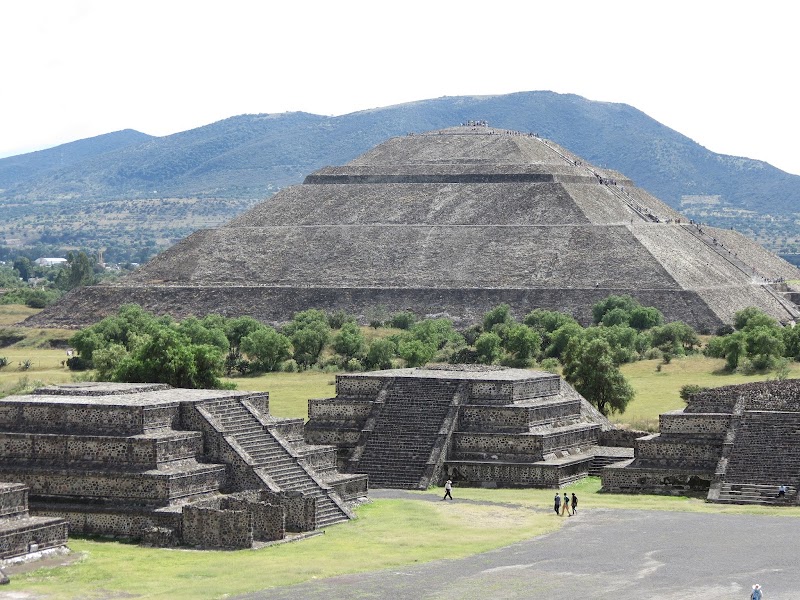
Teotihuacán Valley
Base yourself in San Juan Teotihuacán or San Martín de las Pirámides for the archaeological zone, then stay long enough for the valley’s pulque, obsidian workshops and quieter evenings after the tour buses leave.
first-timersarchaeology enthusiastsfamiliesphotographers
Explore Teotihuacán Valley  2
2Toluca & Metepec
Base · 2 days
Toluca is the practical western base for museums, markets and serious regional food; nearby Metepec supplies the pottery workshops and Árbol de la Vida tradition. Come with a plan rather than expecting a romantic colonial stroll.
craft loversmuseum travelersfoodies
 3
3Nevado de Toluca
Short stop · 1 day
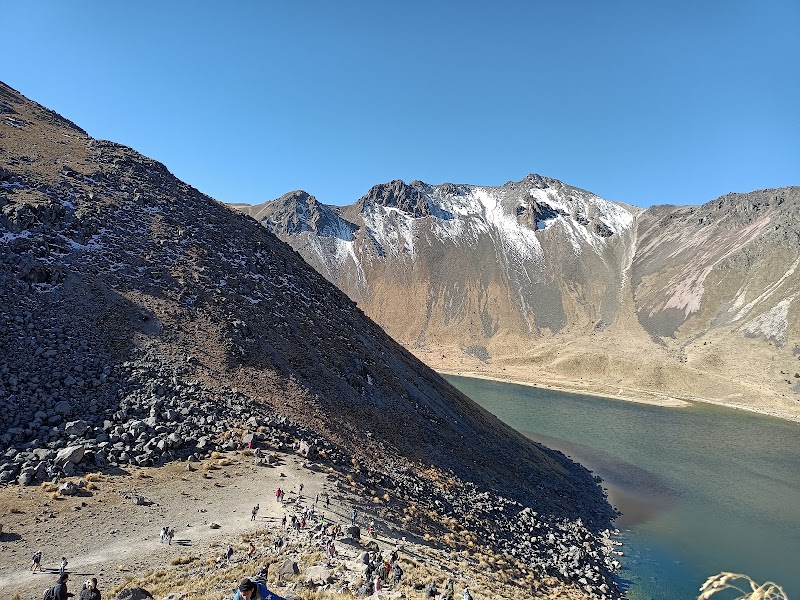
Xinantécatl is the state’s big mountain day: volcanic crater scenery, cold wind and real altitude rather than an easy roadside viewpoint. Treat it as a weather-dependent hiking objective from Toluca, not a guaranteed add-on.
hikersmountain photographersactive travelers
 4
4Valle de Bravo & Avándaro
Base · 2 days
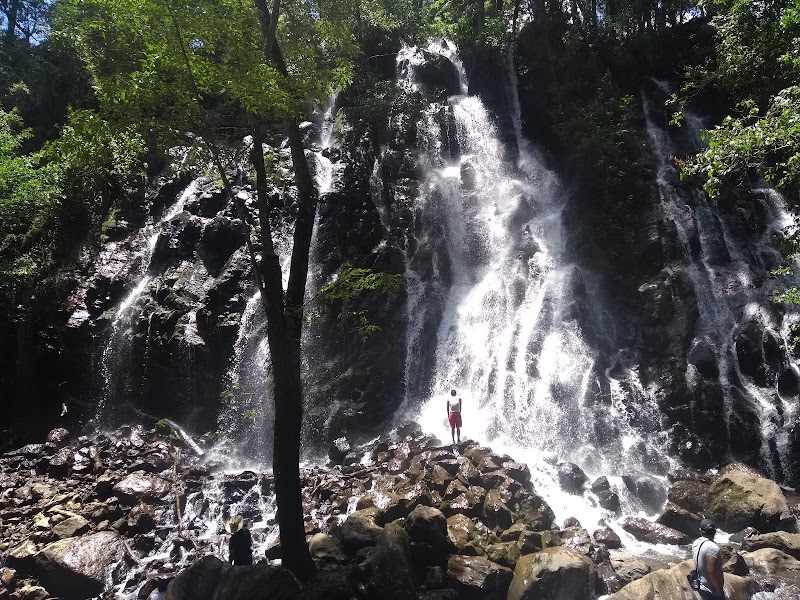
The strongest all-round short break in Edomex: lake activities, paragliding, forest walks, waterfalls and good hotels. Stay two nights minimum, ideally midweek, because weekend traffic and prices can spoil the mood.
couplesfamilieswellness travelers
 5
5Monarch Butterfly Sanctuaries
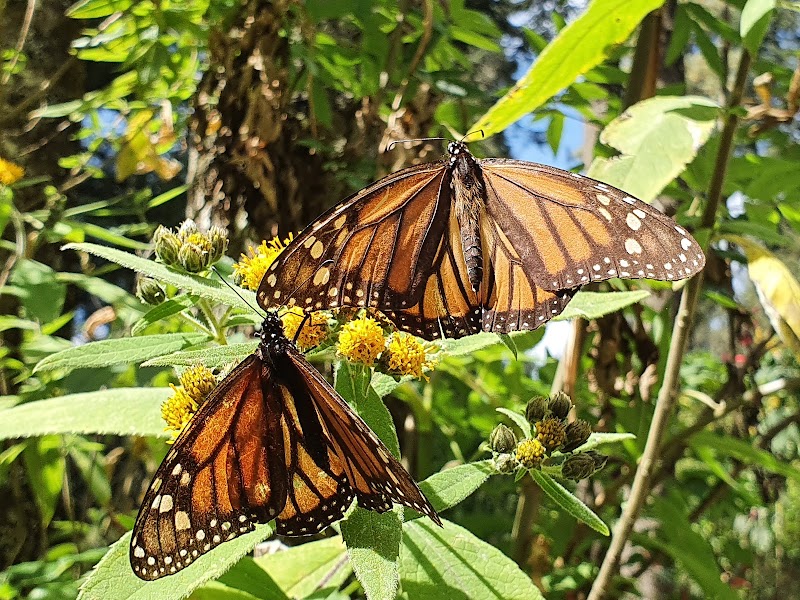
Piedra Herrada, La Mesa and El Capulín–Macheros offer the state’s most memorable wildlife experience when the colonies are present. Use Valle de Bravo or El Oro as a base, and give the sanctuary visit its own unhurried day.
nature travelersfamilieswildlife photographers
 6
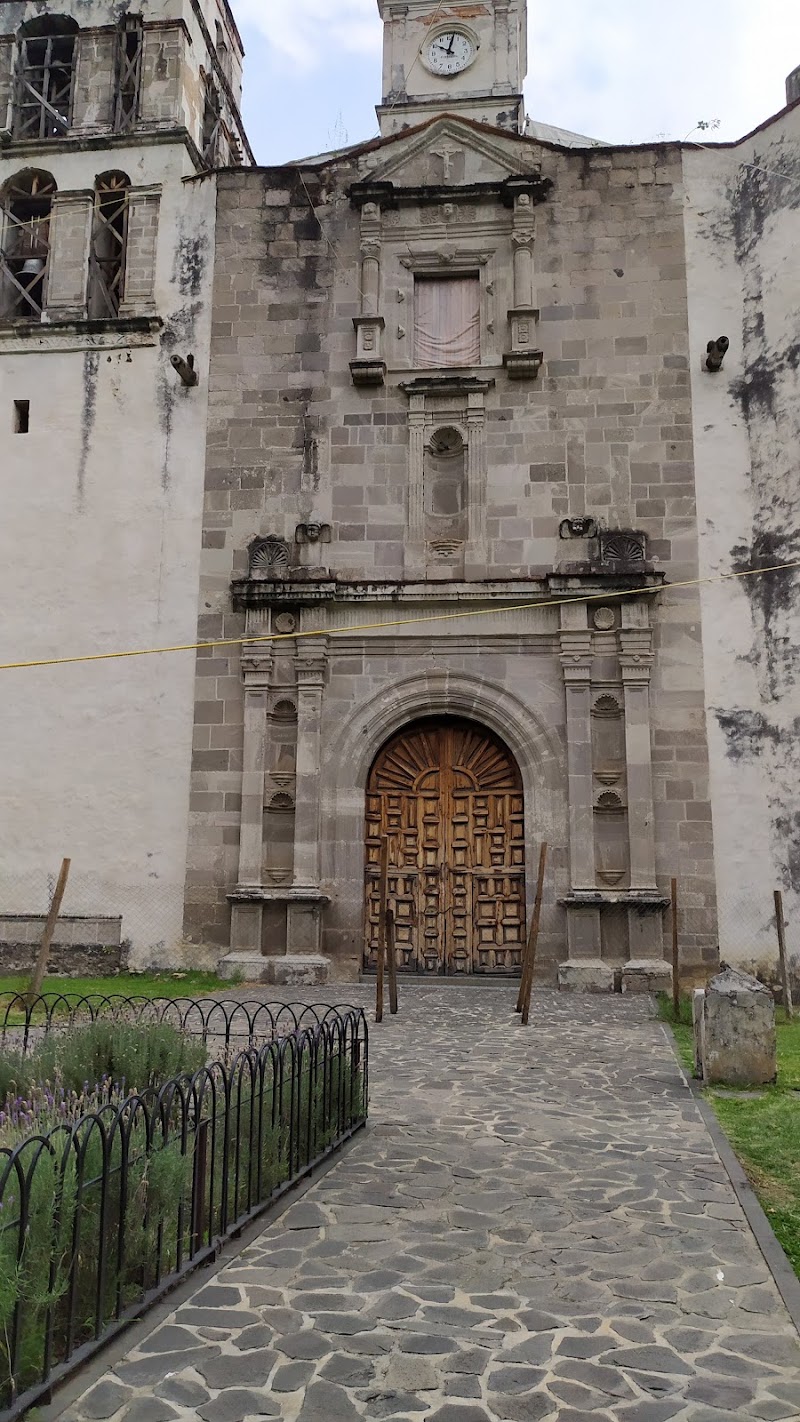
6Malinalco
Base · 2 days
A warm, compact valley town with a steep hilltop archaeological site, an Augustinian convent and a genuinely worthwhile food stop. It has more character than Ixtapan and works best as a slow two-night stay.
couplesarchaeology enthusiastsfoodies
 7
7Ixtapan de la Sal & Tonatico
Base · 3 days
Come here for thermal pools, spas and easy family resort time rather than deep colonial atmosphere. Choose Ixtapan for facilities; choose Tonatico for a smaller, less built-up base.
familiesmultigenerational groupsspa travelers
 8
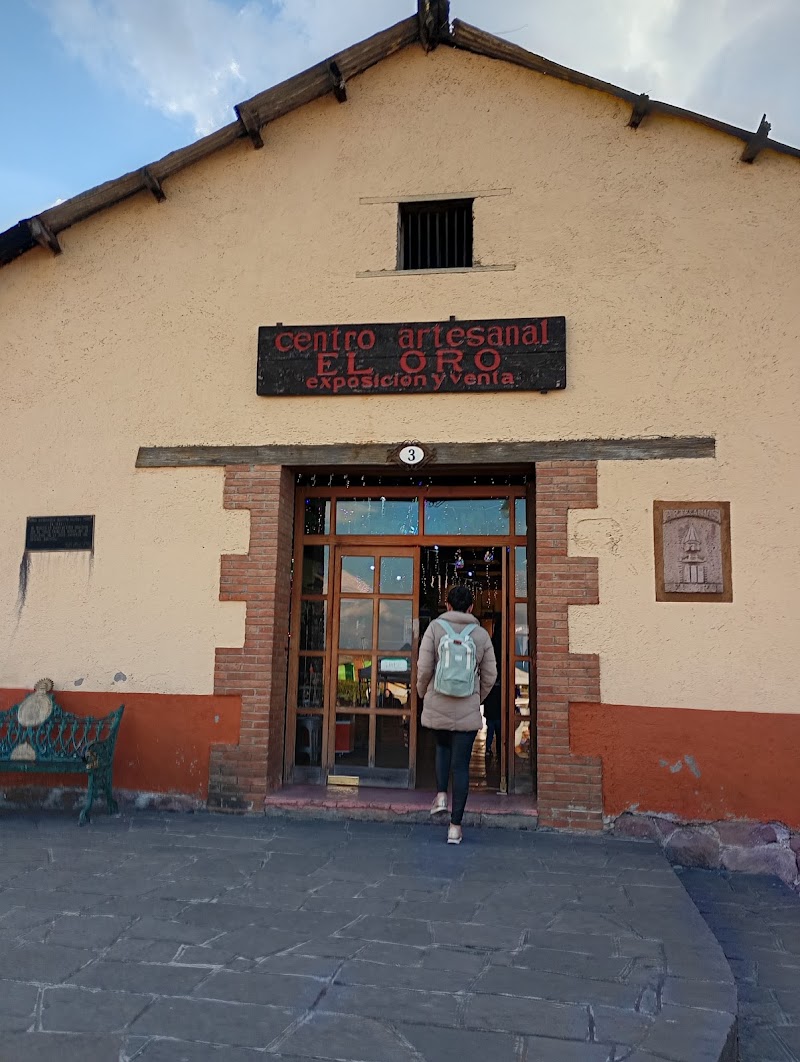
8El Oro & Mazahua Country
Base · 2 days
El Oro is a cool former mining town with enough architectural interest for an overnight, plus sensible access to Mazahua country and nearby butterfly sanctuaries. It pairs naturally with Aculco, not with the southern towns.
road trippersheritage travelersbutterfly-season travelers
 9
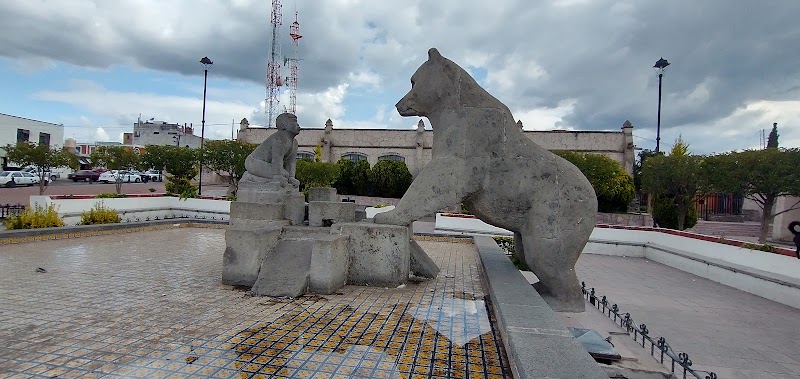
9Aculco
Base · 2 days
A highland stone town worth the drive for cheese, dairy sweets, old Camino Real streets and nearby waterfalls. It is at its best with a car and an overnight, not as a rushed detour from the south.
self-driversfoodiesshort-hike travelers
 10
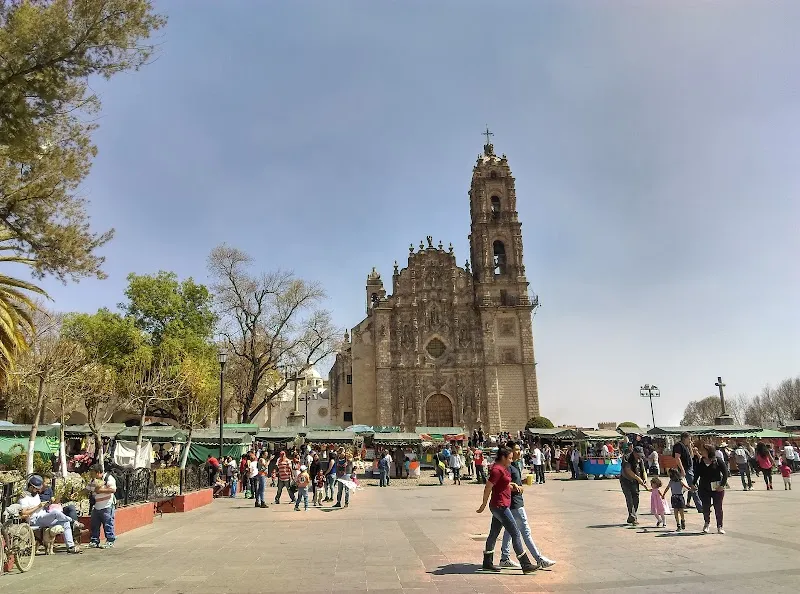
10Tepotzotlán
Base · 2 days
A useful first or final stop near the Mexico City metro area, centered on the former Jesuit college and the richly decorated church of San Francisco Javier. Go for viceregal art and the museum, not for an escape from urban sprawl.
architecture loversmuseum travelerstravelers without a car
 11
11Texcoco & Tetzcotzinco
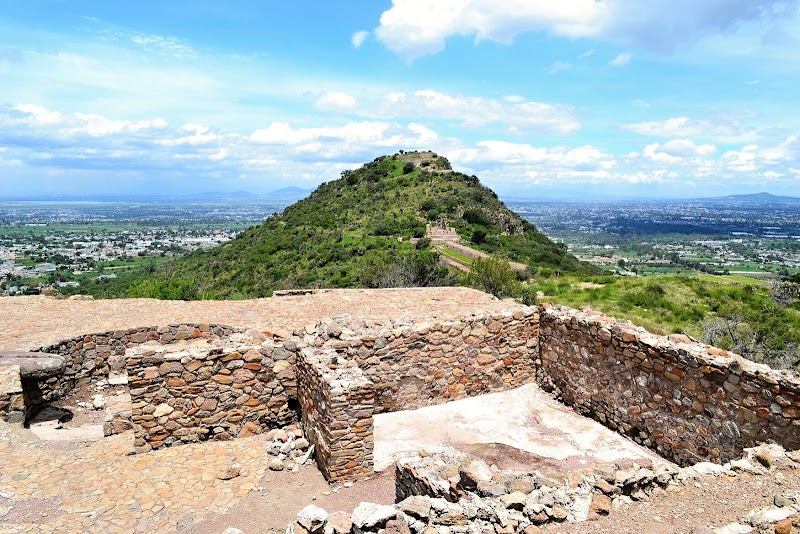
A strong second-visit pairing for Acolhua history, Nezahualcóyotl’s associated gardens and hydraulic works, and a less-touristed counterpoint to Teotihuacán. It is best tackled with a driver or arranged local transport.
return visitorshistory enthusiastsarchaeology travelers
Don't miss
1
Teotihuacán
Mexico’s great pre-Hispanic city is the state’s non-negotiable sight: walk the Avenue of the Dead, take in the Pyramid of the Sun and Moon, and allow time for its painted compounds and museum. Arrive at opening, then use the afternoon for one of the smaller nearby sites only if you still have energy.
2
Nevado de Toluca
The high-altitude volcano, with its twin crater lakes, is Estado de México’s defining natural outing and a dramatic contrast to its archaeological and colonial sights. Treat it as a weather-dependent half- or full-day mountain excursion, with altitude, cold, and road conditions taken seriously.
3
Valle de Bravo
This lakeside mountain town is the state’s most useful escape destination, combining a walkable historic center, water views, forest activities, and a strong restaurant and hotel base. Stay overnight if possible; a rushed day trip misses the appeal of its slower morning and sunset hours.
4
Tepotzotlán and the Museo Nacional del Virreinato
The former Jesuit college and its exuberant Church of San Francisco Javier are among Mexico’s finest introductions to viceregal art and architecture. This is a substantial museum visit, not merely a quick church photo stop, and makes an excellent counterpoint to Teotihuacán.
Getting your bearings
Numbers match the places above; small dots are the headline sights.
The mental map
Think in separate clusters rather than one neat circuit. Northeast is Teotihuacán and Texcoco; central-west is Toluca, Metepec and Nevado de Toluca; northwest is Aculco, El Oro and Mazahua country; west/southwest is Valle de Bravo and the monarch sanctuaries; south is Malinalco, Tenancingo, Ixtapan and Tonatico; Tepotzotlán sits on the northern metropolitan fringe. Roads funnel through congested urban corridors and slow mountain routes, so apparent map distances are deceptive.
When to go
November to early April is the cleanest window: dry-to-crisp highland weather, comfortable southern valleys, and monarch butterflies from late November into February. March and early April are excellent for Teotihuacán and Malinalco, but avoid Semana Santa and the spring-equinox weekend at Teotihuacán unless crowds are part of the plan. June through September is green and quieter but built around afternoon rain, slower mountain roads and unreliable volcano plans; October is especially good for Day of the Dead culture in Toluca and Valle de Bravo.
Pacing a visit
For three to five days, pick one cluster: Teotihuacán, Toluca/Valle de Bravo, or the southern towns. With seven to 10 days, use two or three bases and a rental car if linking regions; buses are fine for major point-to-point routes but poor for rural sanctuaries, volcano access and multi-stop days. Teotihuacán to Toluca can take about 2¼ hours, Toluca to Valle de Bravo 1½–2 hours, and Valle de Bravo to Malinalco often 3½–5 hours—so do not pretend the whole state works as day trips from one hotel.
Book before you land
Sunrise hot-air-balloon flight over Teotihuacán, especially for Friday–Sunday, holidays and the dry-season high period; choose an operator with a clear weather-cancellation policy. · Valle de Bravo paragliding on busy weekends or holiday periods, if it is a priority rather than a flexible weather-dependent activity.
Getting in
MEXMexico City International Airport
The main international gateway and the most practical arrival point for Teotihuacán, Tepotzotlán and onward buses or a rental car. It is roughly an hour from Teotihuacán in clear traffic, but metropolitan congestion can wreck that estimate.
Flights and transfers into Mexico CityNLUFelipe Ángeles International Airport
A useful alternative for Teotihuacán: it sits north of the capital and can be more convenient than MEX for the pyramids, though onward public transport and car-rental choice are less seamless. It is not a convenient gateway for Toluca, Valle de Bravo or the southern towns.
Flights and transfers into Mexico CityTLCToluca International Airport
The closest airport to Toluca/Metepec and the western side of Edomex, but it has limited international and domestic service. Use it if the flight works; otherwise arrive through Mexico City and transfer by road.
Flights and transfers into TolucaMexico City bus terminals
For travelers already in Mexico, the North Terminal is the practical bus gateway for Teotihuacán and Tepotzotlán, while the Observatorio/Poniente side is the useful departure area for Toluca and Valle de Bravo. Confirm the specific terminal with the bus operator; Mexico City traffic makes cross-city transfers a bad gamble.
Before you go
Questions worth settling
How many days do I need for Estado de México?
Give one cluster 3–5 days: Teotihuacán Valley, Toluca/Valle de Bravo, or the southern towns around Malinalco and Ixtapan de la Sal. Allow 7–10 days, multiple bases and ideally a rental car to link two or three regions without rushing.
Where should I base myself?
Stay in San Juan Teotihuacán if the pyramids are a priority; it avoids the Mexico City tour-bus rush. Use Toluca for Metepec and Nevado de Toluca, Valle de Bravo for lake-and-forest time and Piedra Herrada, El Oro for Mazahua country and nearby sanctuaries, and Malinalco for a slower southern-valley stay.
Which places combine well, and which should I keep separate?
Toluca, Metepec and Nevado de Toluca form one practical cluster; Valle de Bravo works well as its own two-night-or-more stop, with a monarch sanctuary day in season. El Oro pairs naturally with Aculco, while Malinalco can be combined with Ixtapan de la Sal and Tonatico; do not try to add Teotihuacán to a Valle de Bravo or Malinalco base as a day trip.
Do I need a car to visit Estado de México?
Buses work well for direct trips from Mexico City to Teotihuacán, Toluca, Valle de Bravo and Ixtapan de la Sal. Rent a car for Nevado de Toluca, butterfly sanctuaries, Aculco, El Oro, waterfalls and multi-stop itineraries; avoid long mountain or rural drives after dark.
What are the entry and visa requirements for Mexico?
Requirements depend on your passport and are decided by Mexican immigration officers. Visitors from the US, Canada, UK, EU/Schengen countries, Japan and several other countries generally do not need a tourist visa, but need a valid passport and may be asked for onward travel and accommodation details; check current Mexican consular guidance before departure.
When is the best time to go?
November to early April is the strongest overall period, with dry highland weather and comfortably warm southern valleys; monarch butterflies are usually present from late November through February. March and early April are especially good for Teotihuacán and Malinalco, but avoid Semana Santa and the spring-equinox period at Teotihuacán if you dislike major crowds.
What should I book ahead?
Book a Teotihuacán sunrise balloon flight ahead for Friday–Sunday, holidays and the dry-season high period, choosing an operator with a clear weather-cancellation policy. Reserve Valle de Bravo paragliding if it is a priority, and book Valle lodging early for long weekends, festivals, Day of the Dead events and butterfly season.
Can I visit Teotihuacán, Nevado de Toluca and the monarch butterflies on a tight itinerary?
Not comfortably from one base: Teotihuacán to Toluca can take about 2¼ hours, Toluca to Valle de Bravo about 1½–2 hours, and Valle de Bravo to Malinalco often 3½–5 hours. Keep Teotihuacán separate, treat Nevado de Toluca as a weather-dependent day from Toluca, and give a butterfly sanctuary its own unhurried day from Valle de Bravo or El Oro.
Known for
- Teotihuacán, Mexico’s essential pre-Hispanic city
- Nevado de Toluca and high-altitude volcanic landscapes
- Valle de Bravo’s lake, forest, paragliding and weekend-resort scene
- Monarch butterfly sanctuaries near Valle de Bravo and El Oro
- Metepec ceramics, especially Árbol de la Vida pottery
- Pulque, regional food, hot springs and southern towns such as Malinalco and Ixtapan de la Sal