
This is the country’s most accessible, polished screen-tourism experience, and even non-fans tend to enjoy the rural setting and meticulous set design. Use it as a half-day stop between Auckland and Rotorua rather than treating it as a Rotorua day trip.
2.5h Sells out — book weeks aheadTake the first or final tour of the day for softer light and less congested paths.
Book a morning or late-afternoon tour several weeks ahead in summer and school-holiday periods.
Pairs with: Waitomo Glowworm Caves · Te Puia - Rotorua, NZ

Te Papa is the best concise introduction to New Zealand’s natural history, Pacific context, art and Treaty-era stories. Give it a substantial block rather than popping in only for the famous earthquake house and whale exhibits.
3h FreeGo at opening on a weekday; school groups build through late morning.
Pairs with: Wellington Cable Car · Tongariro Alpine Crossing

The silent boat ride beneath the glowworm-lit ceiling is a distinctly New Zealand experience and works well on a North Island driving route. It is memorable but brief, so pair it with Hobbiton or use a more adventurous cave tour if you want a longer day.
1.3h Book aheadThe first tours of the day generally feel least rushed.
Book ahead for preferred daytime tours; black-water rafting and specialty cave trips fill earlier.
Pairs with: Hobbiton™ Movie Set Tours · Tongariro Alpine Crossing

This is the essential Fiordland encounter: immense cliff walls, waterfalls, rain, wildlife and scale that photographs only partly convey. Allow a full day from Te Anau or Queenstown, because the road in is as important as the cruise itself.
10h Book aheadMorning departures are quieter; do not avoid rain, which often makes the waterfalls more dramatic.
Reserve cruise and transport well ahead for December–March; self-drivers should also prebook parking if required.
Pairs with: Fiordland National Park · Queenstown

Golden beaches, clear water and coastal walking make Abel Tasman the South Island’s gentlest major wilderness experience. A water-taxi-assisted day walk is the smart first-timer format; you do not need to commit to the full multi-day track.
7h Book aheadUse an early water taxi to reach quieter beaches before day-trip boats arrive.
Book water taxis and kayaking ahead for summer, particularly around Christmas through February.
Pairs with: Kaikōura · Franz Josef Glacier

This relatively easy alpine walk delivers an unusually high payoff: suspension bridges, glacier-fed water and close views toward Aoraki/Mount Cook. Check current track conditions before committing, as weather and flood damage can affect access.
3h FreeStart early for parking and clearer mountain views; clouds commonly build later in the day.
Pairs with: Aoraki / Mount Cook National Park · Franz Josef Glacier

The Crossing is New Zealand’s classic one-day volcanic hike, with a genuinely dramatic route across an active alpine landscape. It demands proper weather judgment, transport planning and fitness; do not attempt it merely because it is famous.
8h Book aheadTake the earliest shuttle and avoid weekends where possible; start only with a favourable forecast.
Book required seasonal track access and shuttle transport ahead; weather cancellations are common, so keep a backup day.
Pairs with: Waitomo Glowworm Caves · Museum of New Zealand Te Papa Tongarewa

Aoraki/Mount Cook is the country’s most accessible high-alpine landscape, combining glacier valleys, dramatic peaks and excellent short walks. Base yourself in Mount Cook Village or nearby Twizel, and keep at least one flexible night for cloud-free views.
8h FreeMornings often offer the clearest peaks; stay after dark for exceptional stargazing when skies permit.
Pairs with: Hooker Valley track · Franz Josef Glacier

It is Auckland’s quickest orientation stop, with a useful read on the city’s harbours and volcanic landscape. Go for the view, not as a substitute for getting out to the waterfront or islands.
1h Walk upBook or arrive before sunset, then stay into dusk if the weather is clear.
Walk-up tickets usually work, though online booking can be worthwhile for sunset or SkyJump activities.
Pairs with: Auckland Museum · Auckland Zoo

Te Puia brings geothermal activity, carving and weaving traditions, and Māori cultural performance into one well-managed visit. It is the most efficient choice if Rotorua is your only geothermal stop and you want cultural context alongside the geysers.
3h Book aheadTake an early daytime session before coach groups arrive.
Reserve ahead for evening cultural experiences and hangi dinners; daytime entry is easier but still best booked in peak season.
Pairs with: Waiotapu Thermal Wonderland · Whakarewarewa - The Living Maori Village · Waimangu Volcanic Valley

For vivid mineral colour and an easy boardwalk through active geothermal terrain, Waiotapu is Rotorua’s most visually striking stop. Time it around the Lady Knox Geyser presentation only if that schedule interests you; the wider reserve is the real draw.
2h Walk upArrive at opening, before tour buses and the late-morning geyser crowd.
Walk-up entry is normally fine, but arrive early in summer and allow time for the full loop.
Pairs with: Te Puia - Rotorua, NZ · Waimangu Volcanic Valley · Whakarewarewa - The Living Maori Village

Auckland Museum is particularly strong on Māori and Pacific collections, war history and the region’s volcanic geology. It adds needed context to an Auckland stay, especially if your trip will not include much museum time elsewhere.
2.5h Walk upWeekday opening hours are best for the Māori and Pacific galleries.
General entry is straightforward, while major exhibitions may need a separate timed ticket.
Pairs with: Sky Tower · Auckland Zoo

The short climb from Lambton Quay to Kelburn is both practical transport and a fast city viewpoint. Combine it with Te Papa and a walk through the Botanic Garden rather than treating it as a stand-alone destination.
45m Walk upRide up early or near closing time, avoiding the late-morning tour-group rush.
Tickets are easy to buy on the day, though queues form around weekends and cruise-ship visits.
Pairs with: Museum of New Zealand Te Papa Tongarewa · Tongariro Alpine Crossing

Fiordland is the vast wilderness framework around Milford Sound, with remote valleys, great walks and a sense of scale no single cruise can cover. Use Te Anau as the practical base and choose one focused experience rather than trying to see the park broadly in a day.
8h FreeBuild flexibility into your itinerary: weather, road conditions and track access can change quickly.
Pairs with: Milford Sound / Piopiotahi · Tongariro Alpine Crossing

This is the clearest place to engage with the Treaty of Waitangi and the foundations of modern New Zealand, beyond a simplified colonial narrative. Take a guided tour or cultural performance if possible; the setting alone does not supply enough context.
3h Book aheadTake an early guided tour, then spend the later part of the day on the water in the Bay of Islands.
Day entry is usually available, but book cultural performances and summer visits ahead.
Pairs with: Bay of Islands · Auckland Museum

Waimangu is the quieter, more landscape-driven geothermal option near Rotorua, with a story tied directly to the 1886 Tarawera eruption. Its longer walking routes and boat option reward visitors who want more than a quick photo stop.
3h Book aheadStart early and walk downhill through the valley before the day gets hot.
Reserve the lake cruise in advance in peak season; walking-only admission is usually easier.
Pairs with: Waiotapu Thermal Wonderland · Te Puia - Rotorua, NZ · Whakarewarewa - The Living Maori Village

This living village offers a more intimate view of everyday life amid geothermal activity than a conventional geothermal park. It works best for travellers who value local storytelling and cultural interpretation as much as geysers.
2h Book aheadChoose the first guided tour for the smallest groups.
Book ahead for guided tours and cultural performances, especially in summer.
Pairs with: Te Puia - Rotorua, NZ · Waiotapu Thermal Wonderland · Waimangu Volcanic Valley
Queenstown is the South Island’s most useful adventure base, pairing lake-and-mountain scenery with a huge range of easy-to-book activities. It is worth a stay for the setting and access to Fiordland, but choose one or two pursuits rather than trying to do every adrenaline attraction.
6h FreeWalk the lakefront early, before day-tour departures and central parking become difficult.
Pairs with: Milford Sound / Piopiotahi · Fiordland National Park · Aoraki / Mount Cook National Park

The Bay of Islands combines sheltered cruising waters, island scenery and the country’s most important early-contact history. Base in Paihia or Russell, take one thoughtful boat trip, and pair it with Waitangi rather than treating it as only a beach destination.
5h Book aheadTake an early cruise for calmer water and less crowded boats.
Book cruises and island activities ahead in summer, especially around holiday periods.
Pairs with: Waitangi Treaty Grounds · Auckland Museum

The West Coast glaciers remain a striking illustration of ice descending toward temperate rainforest, though retreat means close glacier access is now mostly by guided heli-hike. Go for the broader West Coast landscape and do not expect the easy walk-to-ice experience of past decades.
3h Book aheadSchedule the activity early in your West Coast stay so weather cancellations can be rebooked.
Heli-hikes can sell out and are weather-dependent, so book ahead while keeping a flexible backup day.
Pairs with: Aoraki / Mount Cook National Park · Hooker Valley track · Abel Tasman National Park (Tourist attraction)

Kaikōura is one of the best places in the country to combine dramatic coastal mountains with reliable marine-wildlife encounters. Whale watching is the headline, but the peninsula walk and seafood stops make it more than a single-tour destination.
4h Book aheadBook an early sailing and keep the following morning free as a weather backup.
Reserve whale-watch departures in advance and leave room for weather-related rescheduling.
Pairs with: Christchurch Botanic Gardens · Abel Tasman National Park (Tourist attraction)

These gardens are a peaceful, free way to understand Christchurch’s river-and-park character after the rebuilding-focused central city sights. Use them for a relaxed walk, picnic, or transition between the museum district and Hagley Park.
1.5h FreeEarly morning or late afternoon is best in summer; midday can be exposed and busy.
Pairs with: International Antarctic Centre · Kaikōura

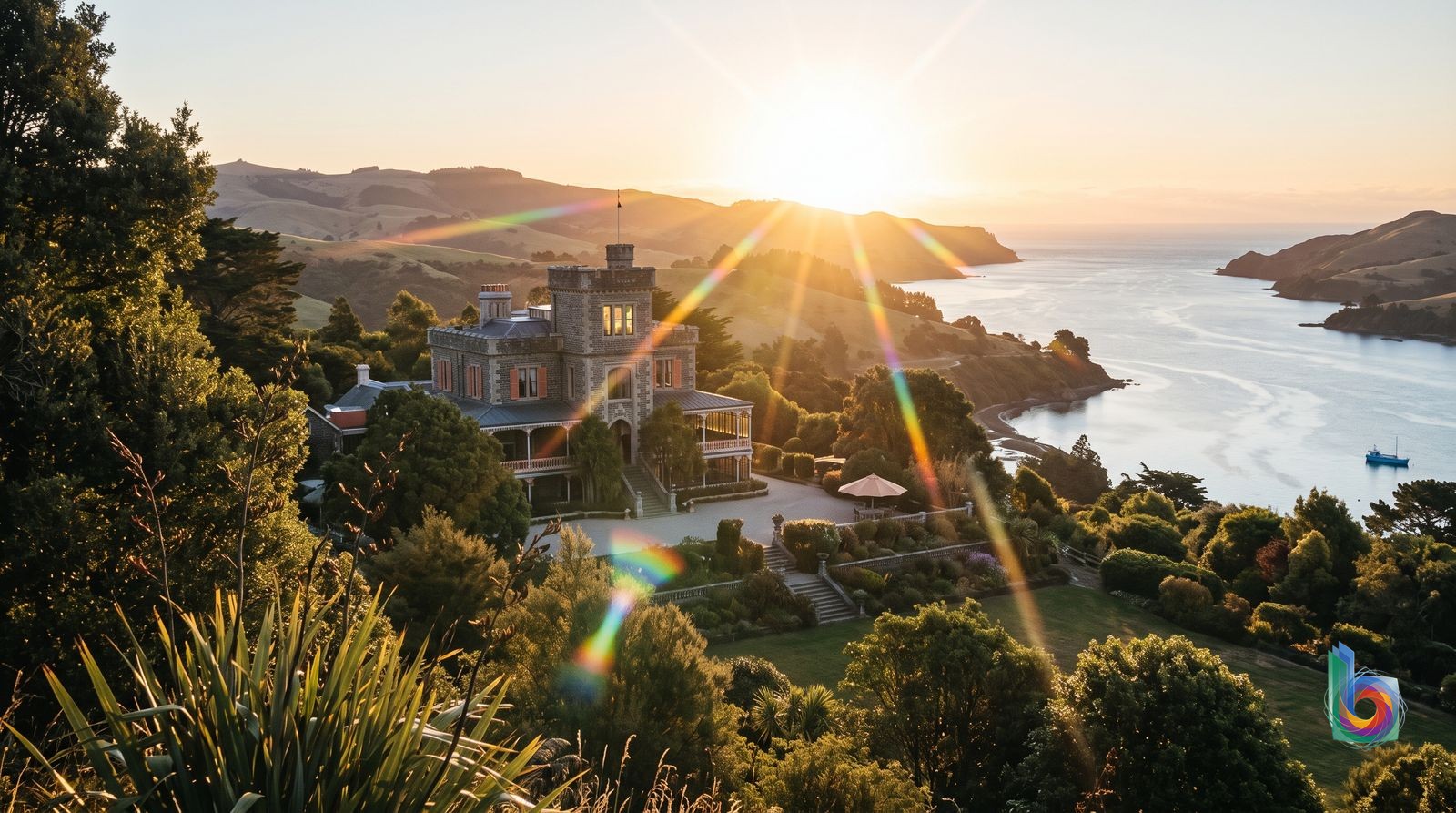
This eccentric Victorian house and its grounds offer a different side of the South Island from its bigger natural spectacles. It is a worthwhile Dunedin Peninsula detour for architecture, gardens and local history, but not a reason to cut into a short scenic itinerary.
2h Walk upVisit early or late for quieter gardens and better light over Otago Harbour.
Walk-up admission is normal; reserve ahead only for dining packages or special events.
Pairs with: Christchurch Botanic Gardens · Kaikōura

The Antarctic Centre is an engaging, family-friendly look at Christchurch’s role as a gateway to Antarctica, with more hands-on appeal than a conventional museum. It is most useful if you have time before or after a flight, since it sits beside the airport.
2h Walk upVisit near opening on rainy days and during school holidays.
Walk-up entry generally works; prebook in school holidays if you want certainty.
Pairs with: Christchurch Botanic Gardens · Kaikōura

This is a well-regarded conservation-focused zoo with strong native-species interpretation, but it is not a defining use of limited first-trip time. Choose it mainly if travelling with children or if Zealandia in Wellington is not on your route.
3.5h Book aheadArrive at opening, especially on weekends and school holidays.
Online tickets are sensible for weekends, school holidays and special animal encounters.
Pairs with: Sky Tower · Auckland Museum