
 1
1Bucharest
Base · 1–2 nights
Romania’s unruly capital earns two full days for Belle Époque remnants, communist-scale planning, strong museums and dining beyond the touristy Old Town. It is the essential gateway and the country’s clearest urban counterpoint to Transylvania.
first-timersarchitecture lovershistory travelers
 2
2Brașov, Sinaia and the Bucegi foothills
Base · 2–3 nights
This is the easiest mountain-and-castle cluster from Bucharest: walkable medieval Brașov, Peleș Castle in Sinaia, and proper hiking or skiing nearby. Bran is worth seeing only if you can tolerate the crowds and Dracula merchandising; Peleș is the real prize.
first-timersfamiliescastle lovers
 3
3Sibiu and southern Transylvania
Base · 2 nights
Sibiu is Romania’s most graceful slow-travel city, with Saxon squares, rooflines and a serious café scene. Use it as a base for the Marginimea Sibiului villages and, with a car, the Făgăraș foothills.
couplescultural travelersphotographers
 4
4Sighișoara, Viscri and the Saxon villages
Base · 2 nights
Fortified churches, rolling pasture and a lived-in rural landscape make this the best antidote to a castle-only Transylvania trip. Stay overnight in Sighișoara and rent a car; trying to rush the villages by public transport defeats the point.
road-trippersheritage travelerswalkers
 5
5Cluj-Napoca and the Apuseni
Base · 2–3 nights
Cluj supplies the contemporary, university-city Romania that medieval-town itineraries miss: bars, design and festival energy. Pair it with Turda Salt Mine or the Apuseni’s caves and gorges rather than forcing in another Dracula stop.
younger travelersnightlifefestival-goers
 6
6Maramureș
Base · 3 nights
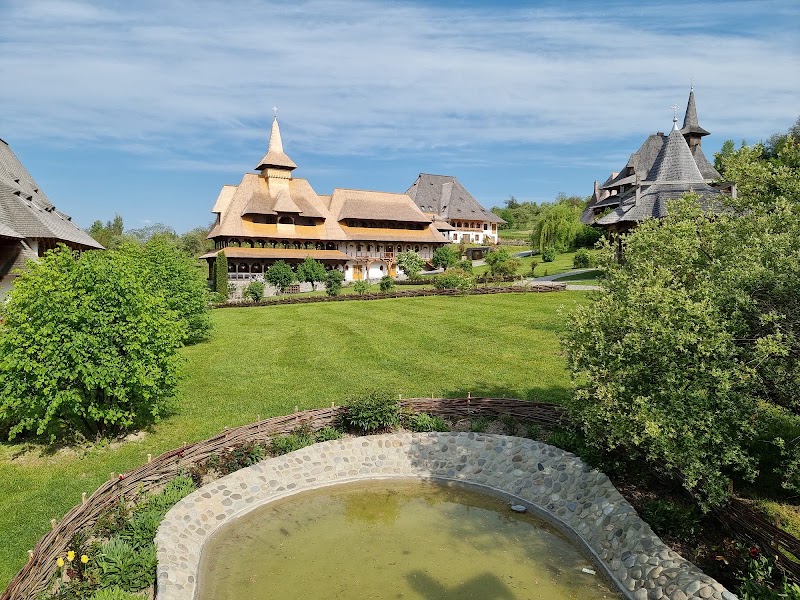
Wooden churches, carved gates, hay meadows and family guesthouses make Maramureș Romania at its most distinctively pastoral. It needs at least three nights and a car; this is a place to slow down, not collect sights.
slow travelersrural culturelandscape photographers
 7
7Bucovina
Base · 3 nights
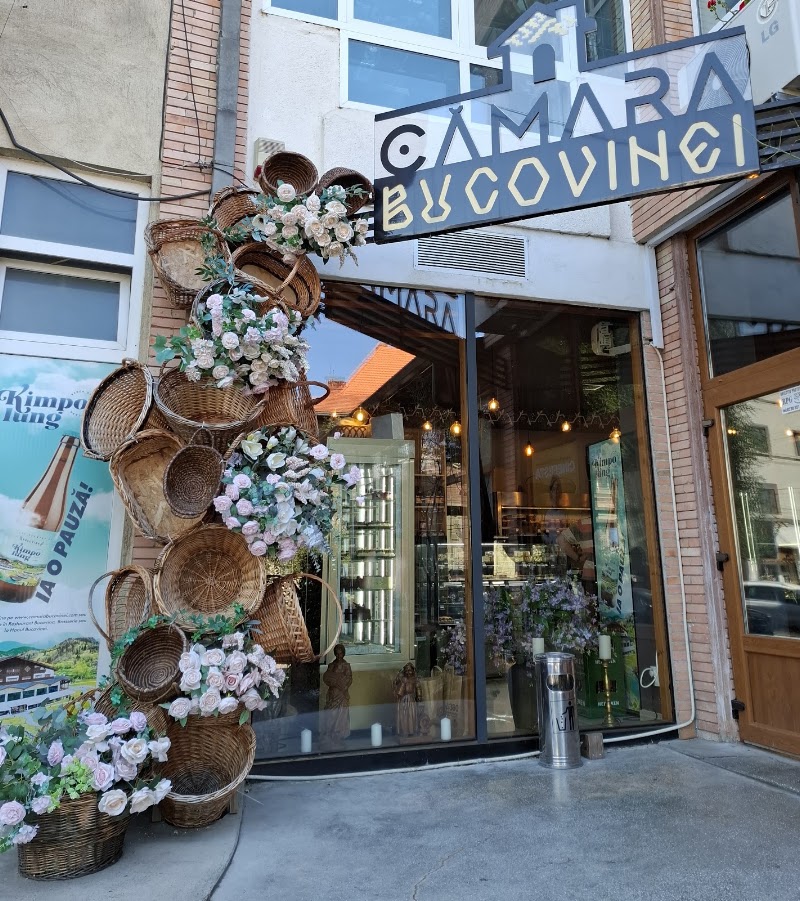
Base around Gura Humorului or Suceava to see the painted monasteries—Voroneț, Moldovița, Sucevița and Humor—with enough time to notice their differences. One monastery on a rushed overnight stop is not worth the long approach.
art loversreligious-history travelersroad-trippers
 8
8Iași and Romanian Moldavia
Base · 2 nights
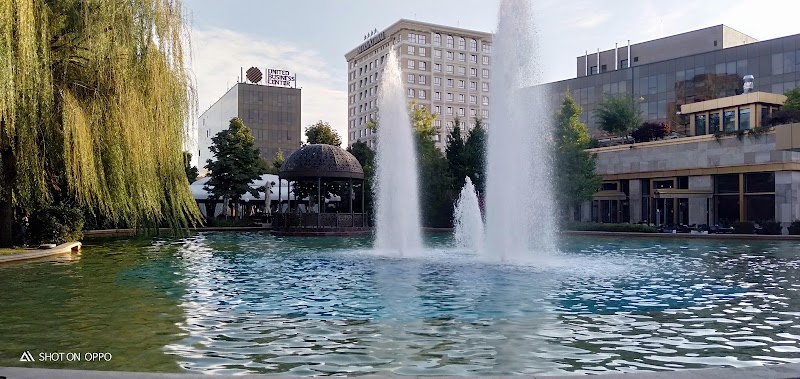
Iași is the northeastern intellectual and cultural counterweight to Bucovina, with universities, broad boulevards and Orthodox history rather than Transylvanian postcard scenery. Combine it with Bucovina or use it as an eastern arrival point; do not bolt it onto a short Transylvania trip.
second-time visitorsculture lovershistory travelers
 9
9Danube Delta and Dobrogea
Base · 3 nights
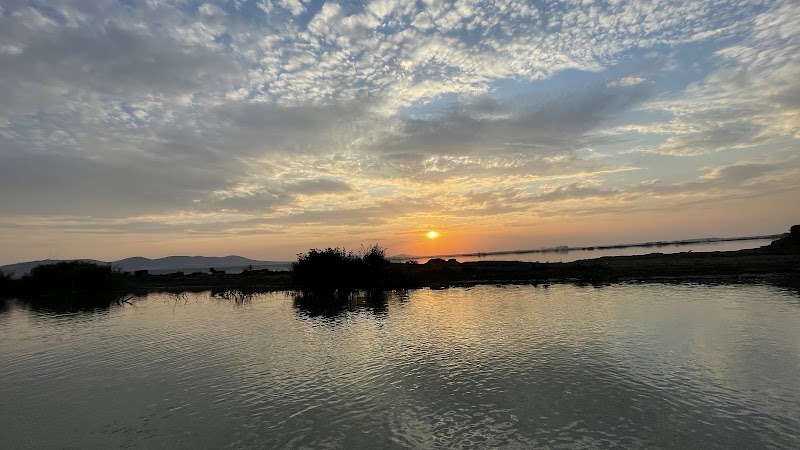
Enter through Tulcea, then sleep in the delta for reed channels, birdlife, fishing villages and dawn boat trips. It is a logistics-heavy, waterborne trip shaped by boats, weather and limited rooms—not a Bucharest day excursion.
nature travelersbirdersfamilies
 10
10Constanța and the Black Sea coast
Short stop · 1 night
Constanța’s sea promenade and historic core are the gateway to Romania’s developed summer coast, from Mamaia’s resort strip to quieter beaches farther south. Go in beach season; outside it, much of the coast feels closed down rather than atmospheric.
summer beach travelersfamiliesparty groups
 11
11Timișoara and Banat
Timișoara’s Habsburg-era squares, café culture and 1989-revolution history make it Romania’s most Central European-feeling city. Treat Banat as its own western trip, perhaps with the highlands or Băile Herculane, rather than wasting days forcing it into a Bucharest loop.
return visitorsarchitecture loverscafé culture
Sample routes
First Romania, rail-friendly
8 nightsBucharest (2 nights) → Brașov, Sinaia and the Bucegi foothills (3 nights) → Sibiu and southern Transylvania (2 nights) → Bucharest (1 night)
The sane first trip: capital, mountains and Transylvania without pretending Romania is small. Rail works well to Brașov; use the three nights for Brașov itself, Peleș in Sinaia, and either a hike or Bran. Sibiu is a slower, more polished contrast, but getting there is easier by car or bus than by rail. The final Bucharest night protects you from a long transfer before an international flight.
Plan this routeOpen-jaw cities and Transylvania
10 nightsBucharest (2 nights) → Brașov, Sinaia and the Bucegi foothills (3 nights) → Sibiu and southern Transylvania (2 nights) → Cluj-Napoca and the Apuseni (3 nights)
For travelers who want more than medieval squares and Dracula branding. Bucharest supplies the big-city edge; Brașov and Sibiu handle the classic Transylvanian core; Cluj adds nightlife, contemporary culture and a Turda Salt Mine or Apuseni day. Fly out of Cluj if possible—returning to Bucharest turns a clean open-jaw route into needless backtracking.
Plan this routeNorthern heritage road trip
14 nightsCluj-Napoca and the Apuseni (2 nights) → Maramureș (3 nights) → Bucovina (3 nights) → Iași and Romanian Moldavia (2 nights) → Sighișoara, Viscri and the Saxon villages (2 nights) → Bucharest (2 nights)
A proper car trip for people who care about rural Romania: Maramureș wooden churches and guesthouses, Bucovina’s painted monasteries, then Moldavian and Saxon cultural landscapes. The Iași-to-Transylvania leg is the punishing one—treat it as a full transfer day, not a scenic detour. Cut a region or fly Iași–Bucharest if six-plus-hour drives sound miserable.
Plan this routeDelta, coast and mountain contrast
9-10 nightsBucharest (2 nights) → Constanța and the Black Sea coast (1 night) → Danube Delta and Dobrogea (3 nights) → Bucharest (1 night) → Brașov, Sinaia and the Bucegi foothills (2-3 nights)
Romania’s strongest second-trip contrast: urban Bucharest, the summer coast, then boat-only delta life before finishing in the mountains. Constanța is optional outside beach season; the Delta is not—give it three nights at one lodge for dawn and dusk boat trips. Return via Bucharest before heading to Brașov rather than trying to force a Tulcea-to-mountains transfer into one day.
Plan this route


